University of Cambridge · Trinity College

Rishabh Jain

PhD Researcher in Computer Science

I am a PhD researcher at the University of Cambridge, supervised by Amanda Prorok and Pietro Liò, and a member of Trinity College.

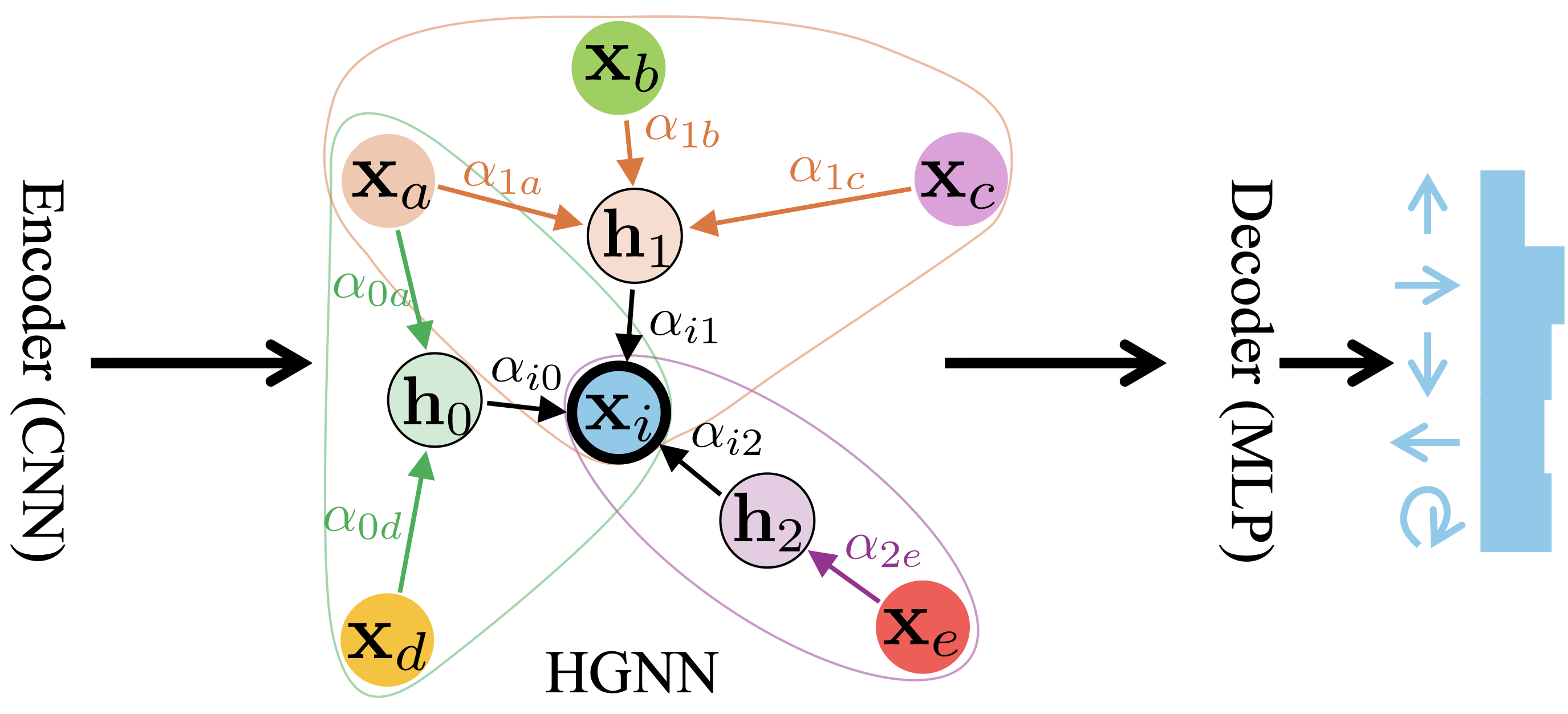
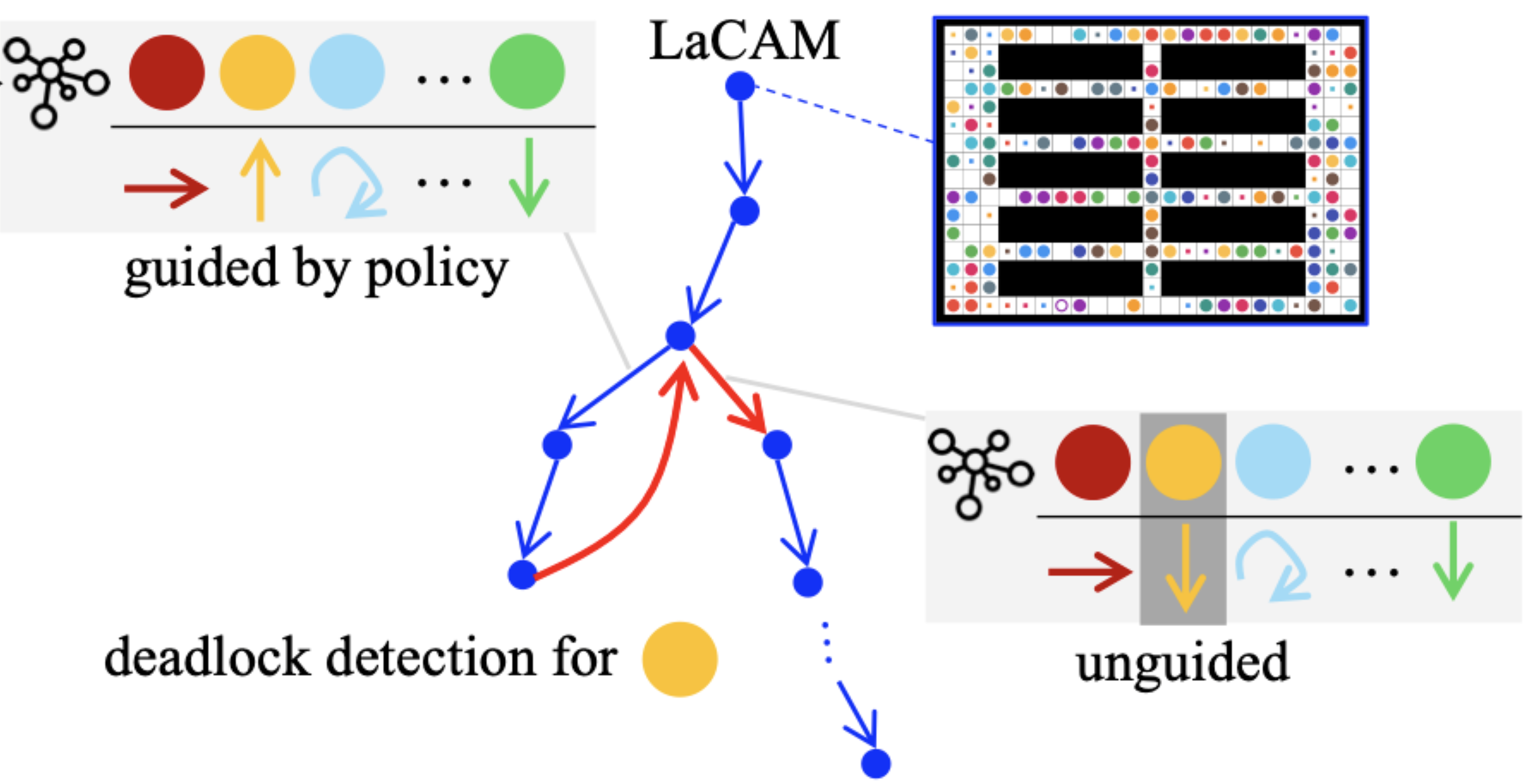
I work on graph and hypergraph neural networks and their application to multi-robot systems. More specifically, I have been exploring advanced representations and neuro-algorithmic methods for multi-agent pathfinding, to obtain powerful and scalable neural solvers, while retaining the guarantees of classical algorithms. In general, I am interested in exploiting external knowledge and structure to build powerful neural models.

Portrait of Rishabh Jain
A sample multi-drone deployment, sped up.

Research

Publications

Google Scholar

2026

Preprint

On the Token Collapse Phenomenon in Textual Graph Soft Prompting

Andrea Giuseppe Di Francesco, Rishabh Jain, Franco Maria Nardini, Nicola Tonellotto, Pietro Liò, Fabrizio Silvestri

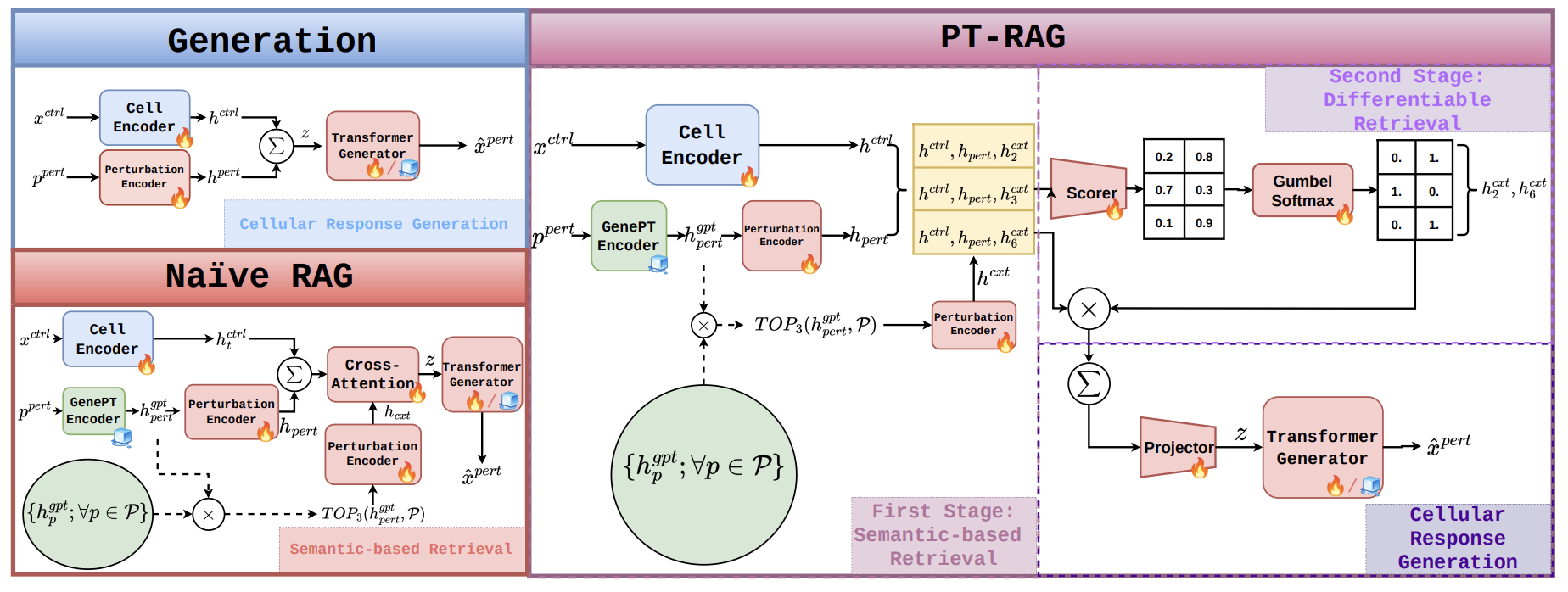
Identifies near-identical graph tokens in graph soft prompting and shows that strong answer accuracy can mask limited use of graph information. Introduces a two-stage training procedure to mitigate collapse and intervention-based diagnostics to test graph use.
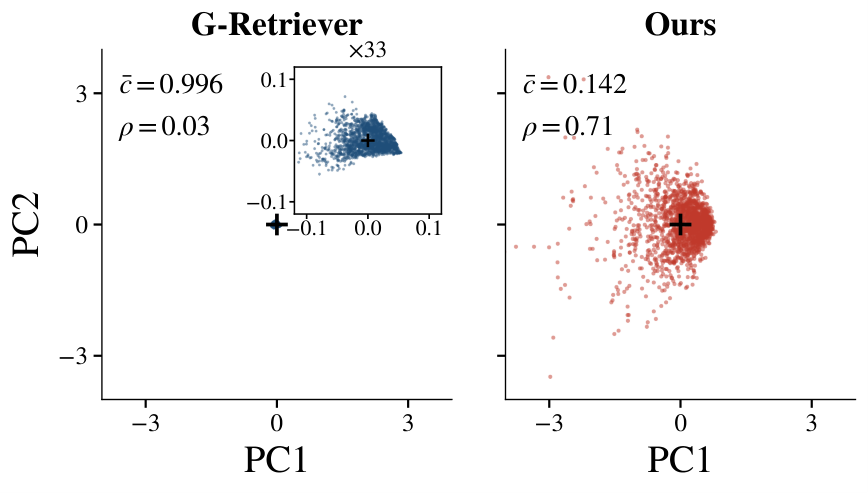
Figure 1: Mean-centred graph-token projections for WebQSP questions, comparing collapsed G-Retriever tokens with the more varied tokens from the proposed method.

2023

ICML KLR Workshop · KDD DLG Workshop

Neural Priority Queues for Graph Neural Networks

Rishabh Jain, Petar Veličković, Pietro Liò

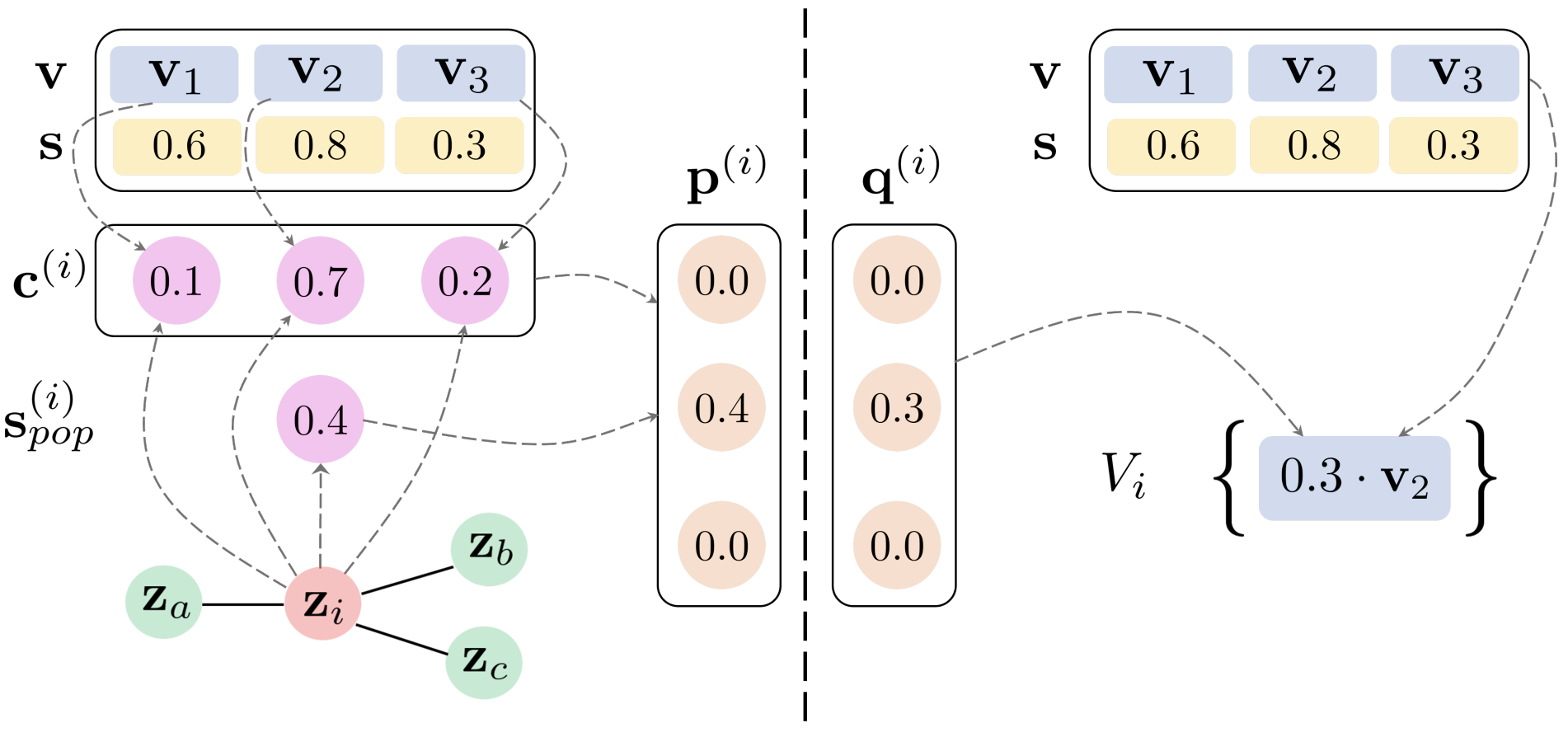
Differentiable priority-queue memory for graph neural networks, improving algorithmic reasoning and the modelling of long-range interactions. Developed during my master’s thesis.

Best Paper Award, ICML KLR Workshop · Spotlight, KDD DLG Workshop

Neural priority queue diagram showing graph features, priority scores, and memory retrieval.

2022

EMNLP · 2022

Extending Logic Explained Networks to Text Classification

Rishabh Jain, Gabriele Ciravegna, Pietro Barbiero, Francesco Giannini, Davide Buffelli, Pietro Liò

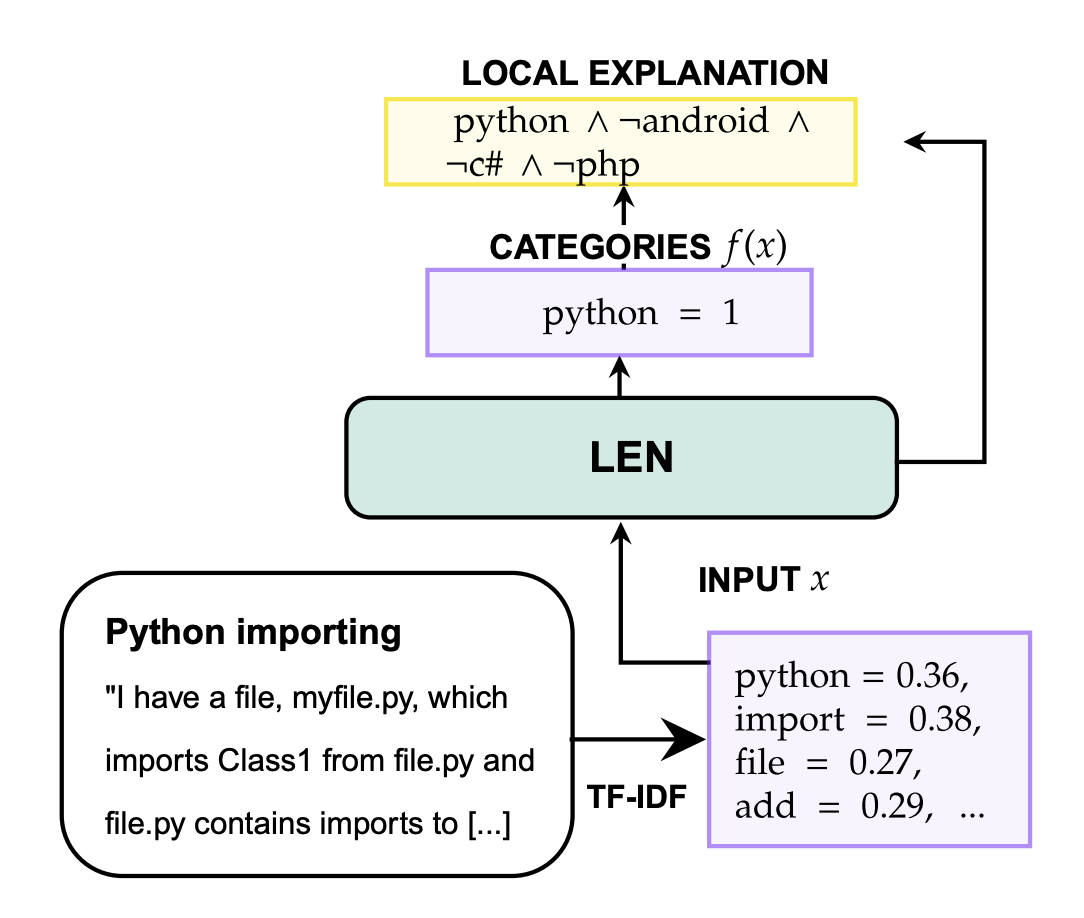
Text classifiers that explain predictions through human-readable logic rules. The explanations improve on LIME in faithfulness and sensitivity, and were preferred in a user study. Developed during my undergraduate thesis.

Logic Explained Network turning text features into a category prediction and a logical explanation.

Teaching

Courses

Teaching

Students

I have supervised/co-supervised the following students.

Get in touch

Contact

Department of Computer Science and Technology
University of Cambridge, United Kingdom